Unexpected Elegance in Lighting
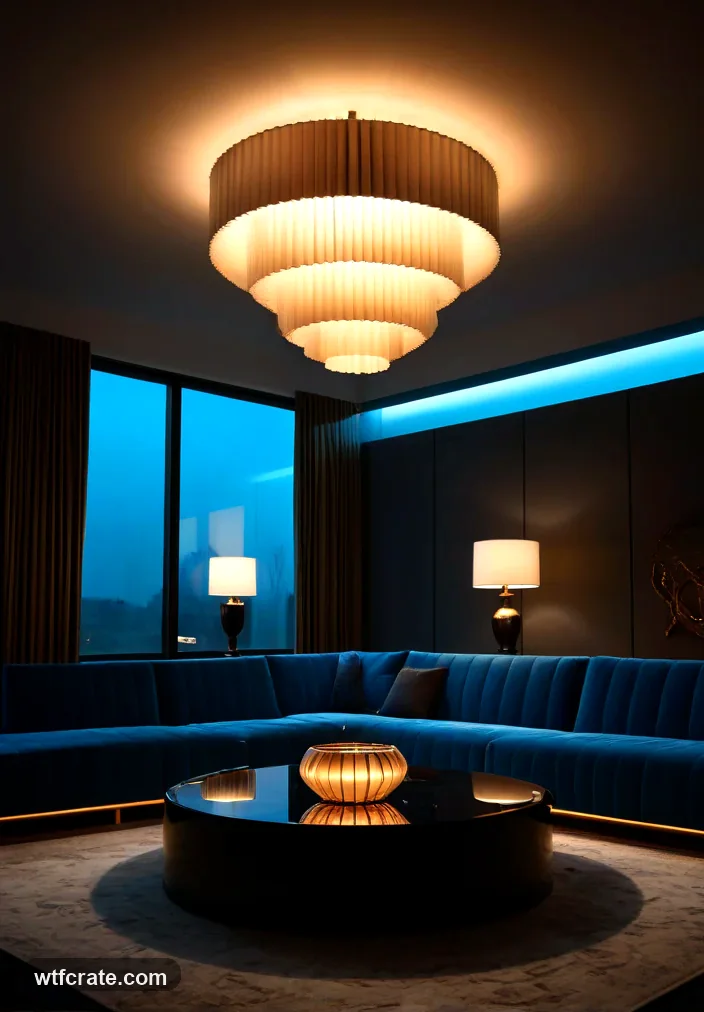
At first glance, the layered pleated chandelier captures attention with its surreal and striking visual presence. This concept-style design flouts traditional chandelier aesthetics, opting instead for a tiered silhouette that evokes the look of a gigantic, cascading fabric pleat. It’s a refreshing detour from the usual crystal-laden, ornate fixtures that often grace our ceilings.
A Closer Look at Its Design
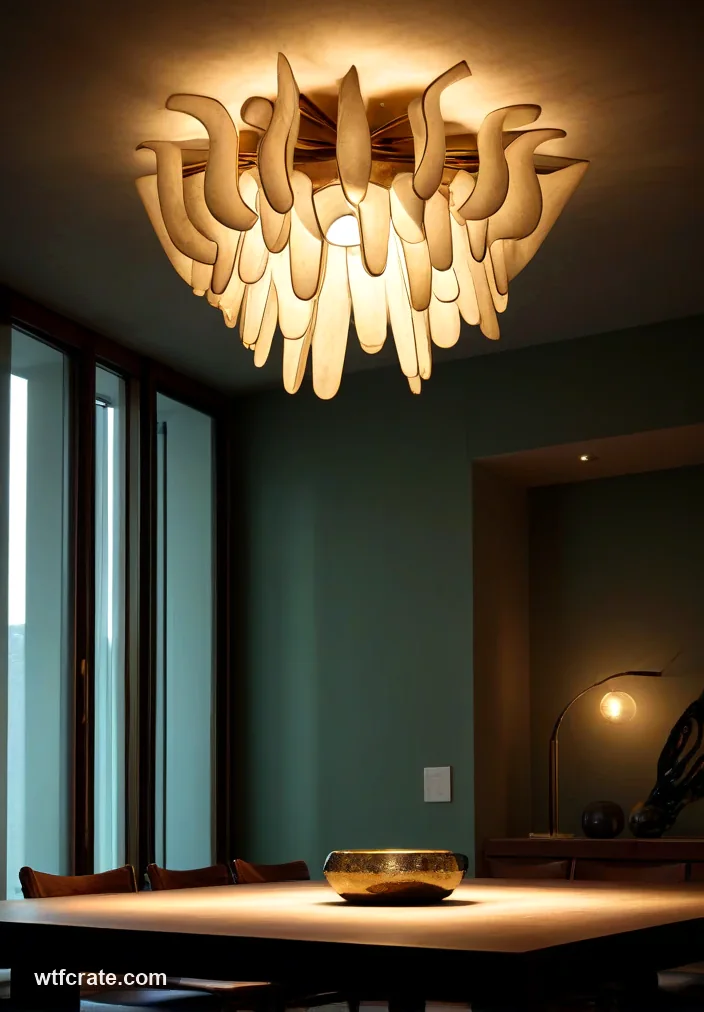
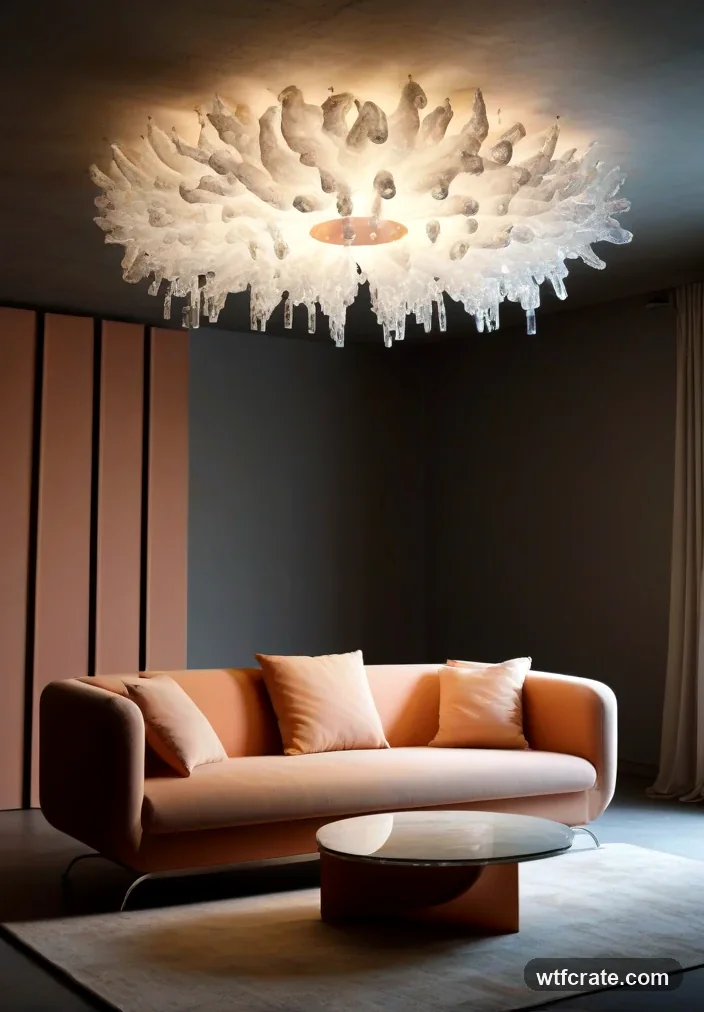
The chandelier boasts a multi-layered form that appears to unfurl like an extravagant gown, with each tier folding over the next in a delicate manner. The pleated texture gives off an illusion of movement, as if the chandelier is in a state of perpetual flow. Its color palette seems to lean towards soft, ethereal hues, possibly whites and pastels, which enhance the dreamlike quality of the piece.
The scale of this chandelier is noteworthy; it could easily dominate a room with its presence, creating an atmosphere that is both grand and intimate. The light source, not explicitly visible, could be imagined to glow softly through the fabric-like layers, casting intricate shadows that dance upon the walls. This layered effect not only redefines home lighting but also prompts the question: how much drama can your ceiling handle?
Clever Yet Absurd
What makes this chandelier particularly clever is its playful subversion of expectations. It combines the familiar functionality of lighting with a design that feels almost impractical. One might question how dust would settle on such a textured surface or how one would clean it without dismantling the entire fixture. Yet, therein lies its charm. It’s a bold statement piece that invites admiration and conversation, even if it might not be the most user-friendly option in a home.
The absurdity of the concept doesn’t just stop at its design; it challenges the norms of home decor. Rather than blending in with the rest of your furniture, this chandelier demands attention. It’s a conversation starter, an art piece, and a light source all in one. Picture this hanging in an upscale gallery or an avant-garde restaurant, where every detail contributes to an immersive experience.
Visually Memorable and Thought-Provoking
The layered pleated chandelier is not just a lighting solution; it’s a visual experience that lingers in the mind. In a world filled with minimalist designs, this piece stands out as a testament to creativity and boldness. It combines elegance with surrealism, making it a memorable addition to any space.
For those intrigued by this unique chandelier design, there are countless variations to explore. Consider looking into other concept-style lighting pieces that play with the idea of texture and form. From oversized paper lanterns that mimic natural elements to geometric pendants that challenge traditional shapes, the world of lighting design is ripe for exploration.
Potential Use Cases
Imagining practical uses for such a fantastical chandelier can be a fun exercise. Picture it gracing the dining room of a modern home, where guests gather beneath its flowing layers, or perhaps in an entryway where it sets a whimsical tone for the entire house. It could even find its place in a boutique hotel lobby, where its eccentric silhouette would leave a lasting impression on guests.
While the layered pleated chandelier may not be available for purchase, it serves as inspiration to rethink our approach to lighting and design. Its unique charm can inspire you to seek out other pieces that challenge the status quo, whether they are functional or purely conceptual.
Explore More Design Inspiration
If you’re intrigued by this playful approach to home lighting, consider diving deeper into the realm of avant-garde fixtures. Search for other unique chandelier designs that combine elements of nature, such as light fixtures mimicking tree branches or those that incorporate intricate glasswork. You might even discover lamp designs that explore the world of surrealism, offering a fresh take on functional art.
Keep your eyes peeled for lighting that tells a story or pushes the boundaries of design—because who says home lighting has to be ordinary?